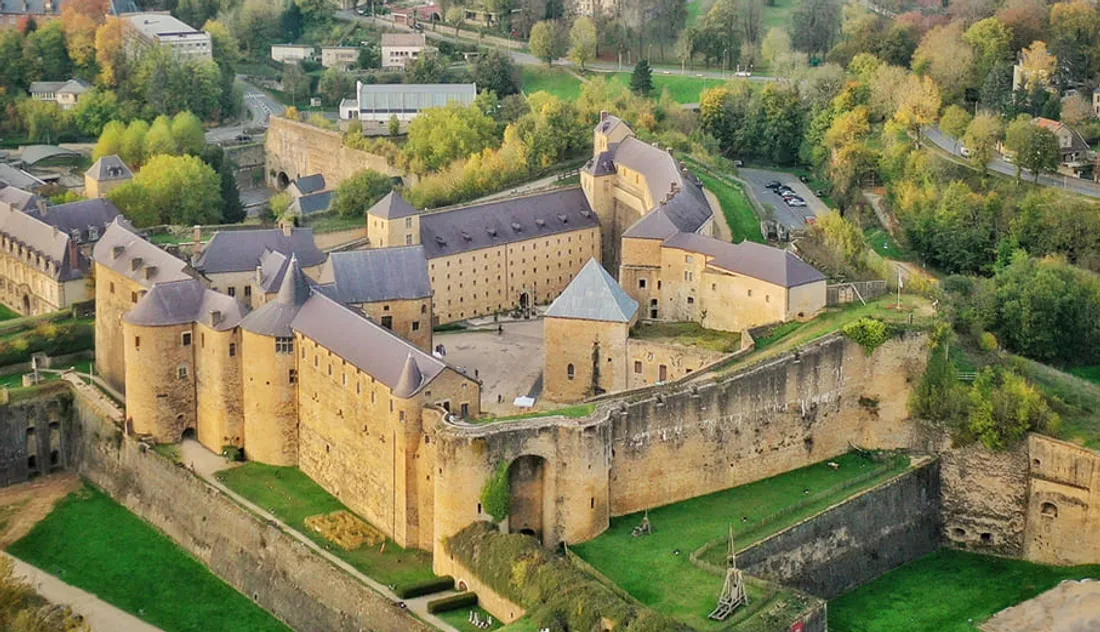
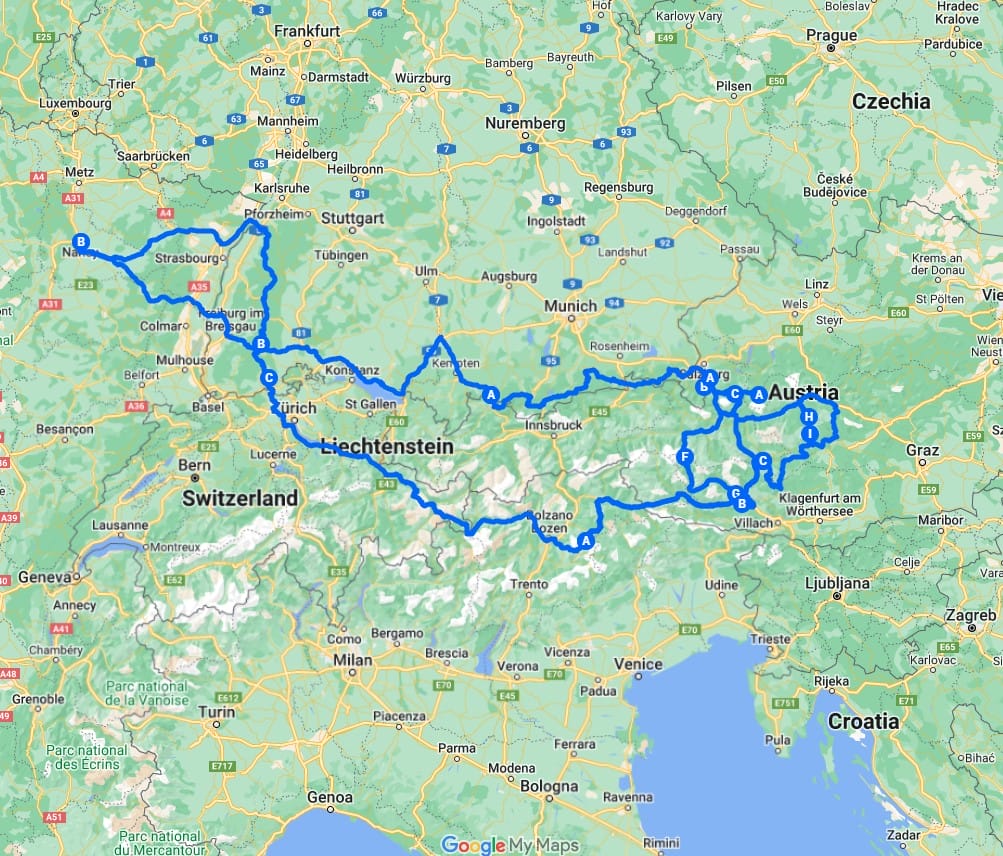
This 16-day self-guided journey takes you through the heart of Europe, combining flowing French and German roads with the high Alpine passes of Switzerland and the dramatic landscapes of the Italian Dolomites. Designed for riders who value freedom and independence, the route runs from the historic fortress town of Sedan to the elegant city of Nancy, unfolding naturally through changing scenery, cultures and riding styles, allowing you to ride at your own pace and shape the experience to suit you.
This guided tour is shown with a guide date. Alternative dates may be arranged on request, subject to hotel availability.
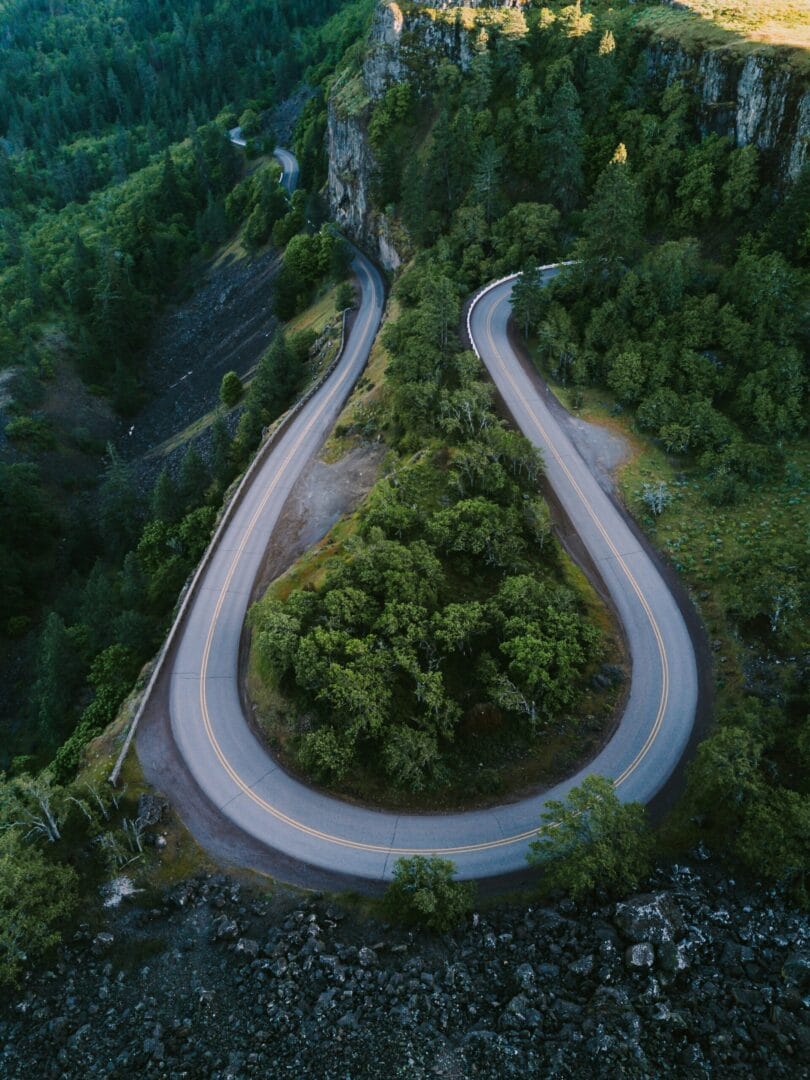
Your journey begins in Sedan, France, where you start the route and settle in before heading east. From here, the road leads into Germany and onto the legendary Black Forest, riding the iconic B500 through Baden-Baden and Oppenau. It is a flowing, confidence-building start that sets the tone for what follows.
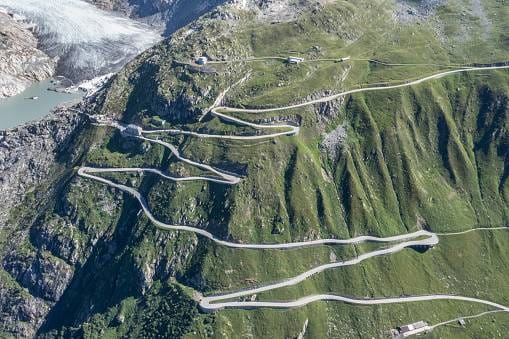
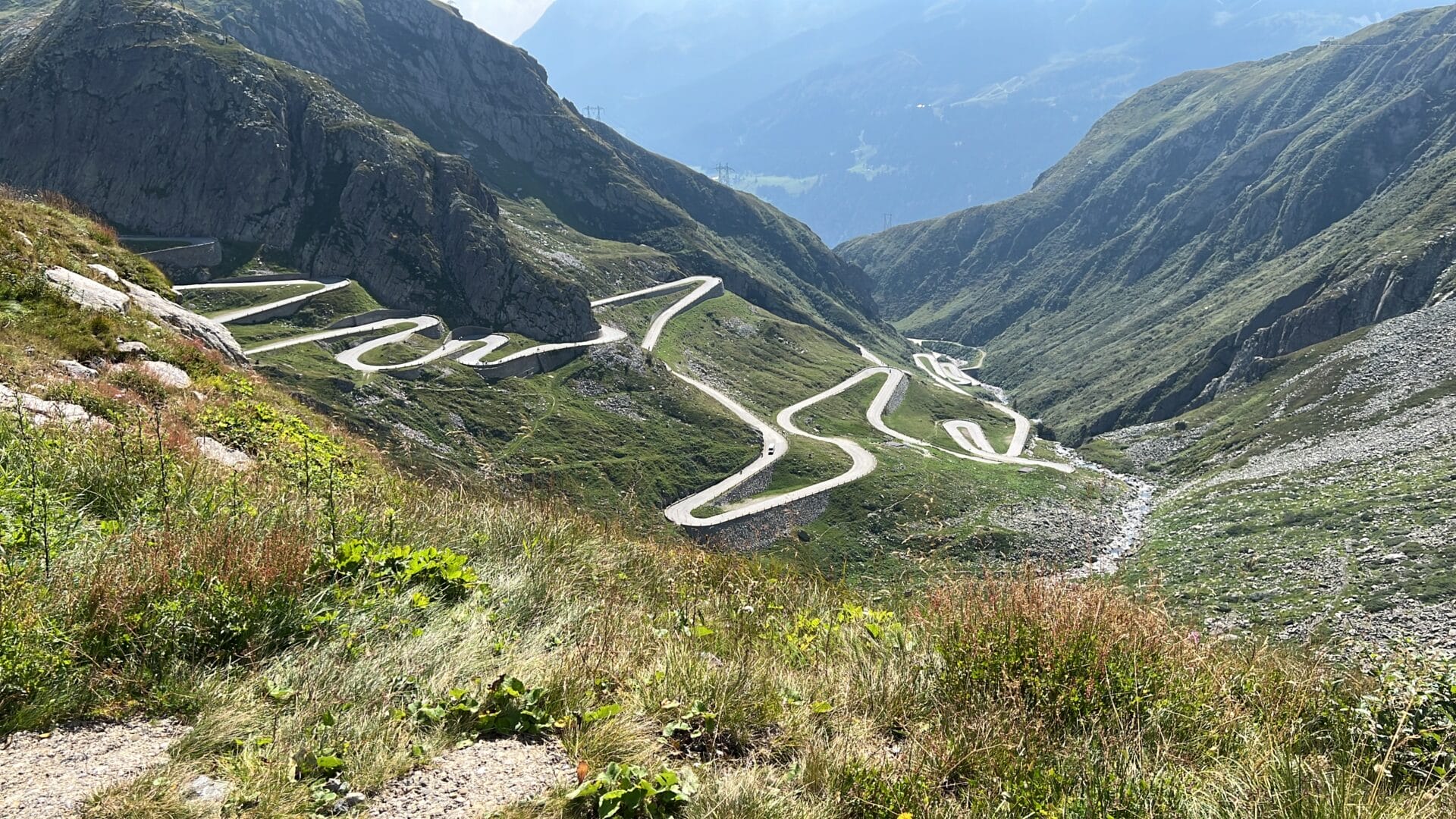
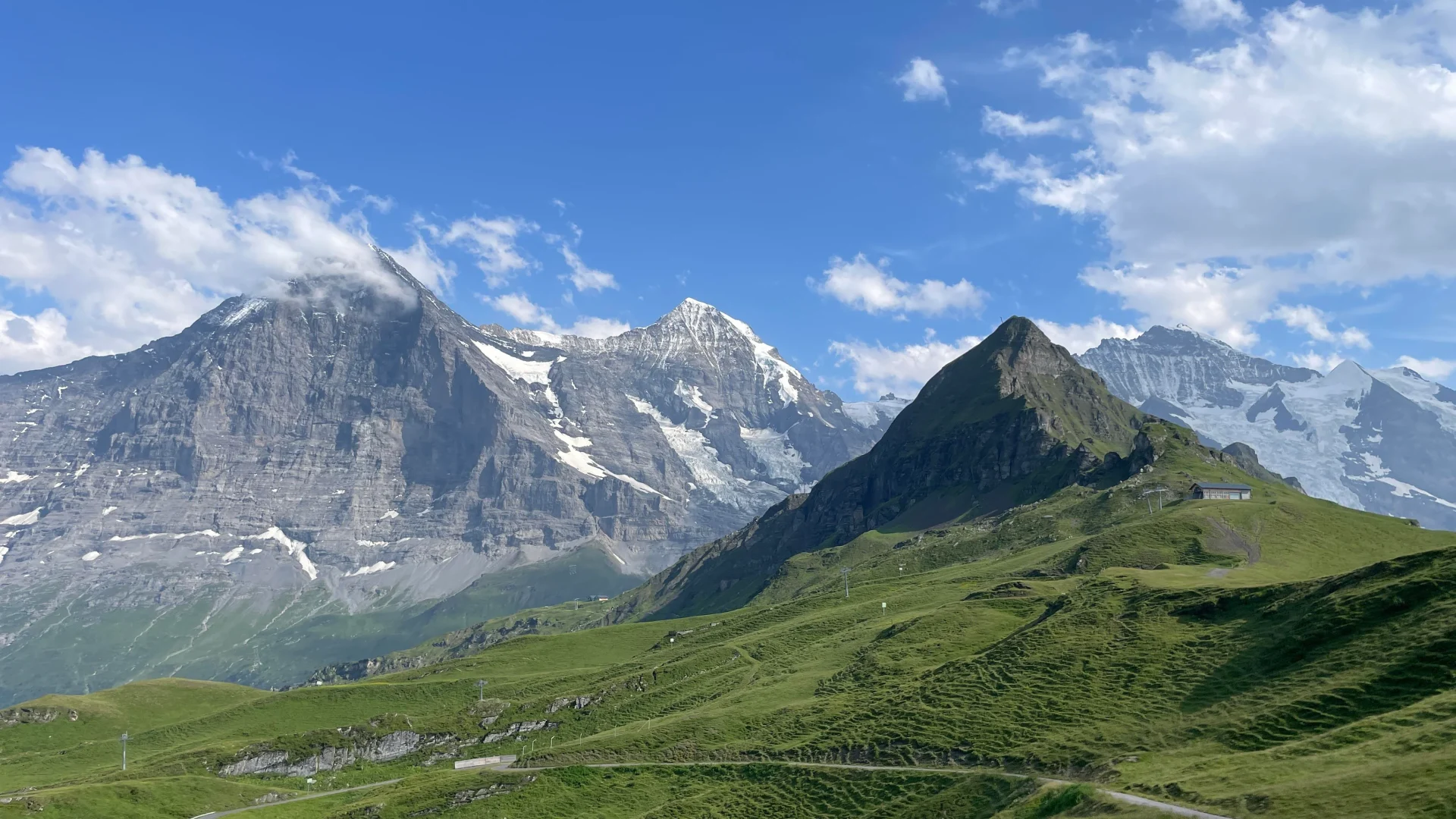
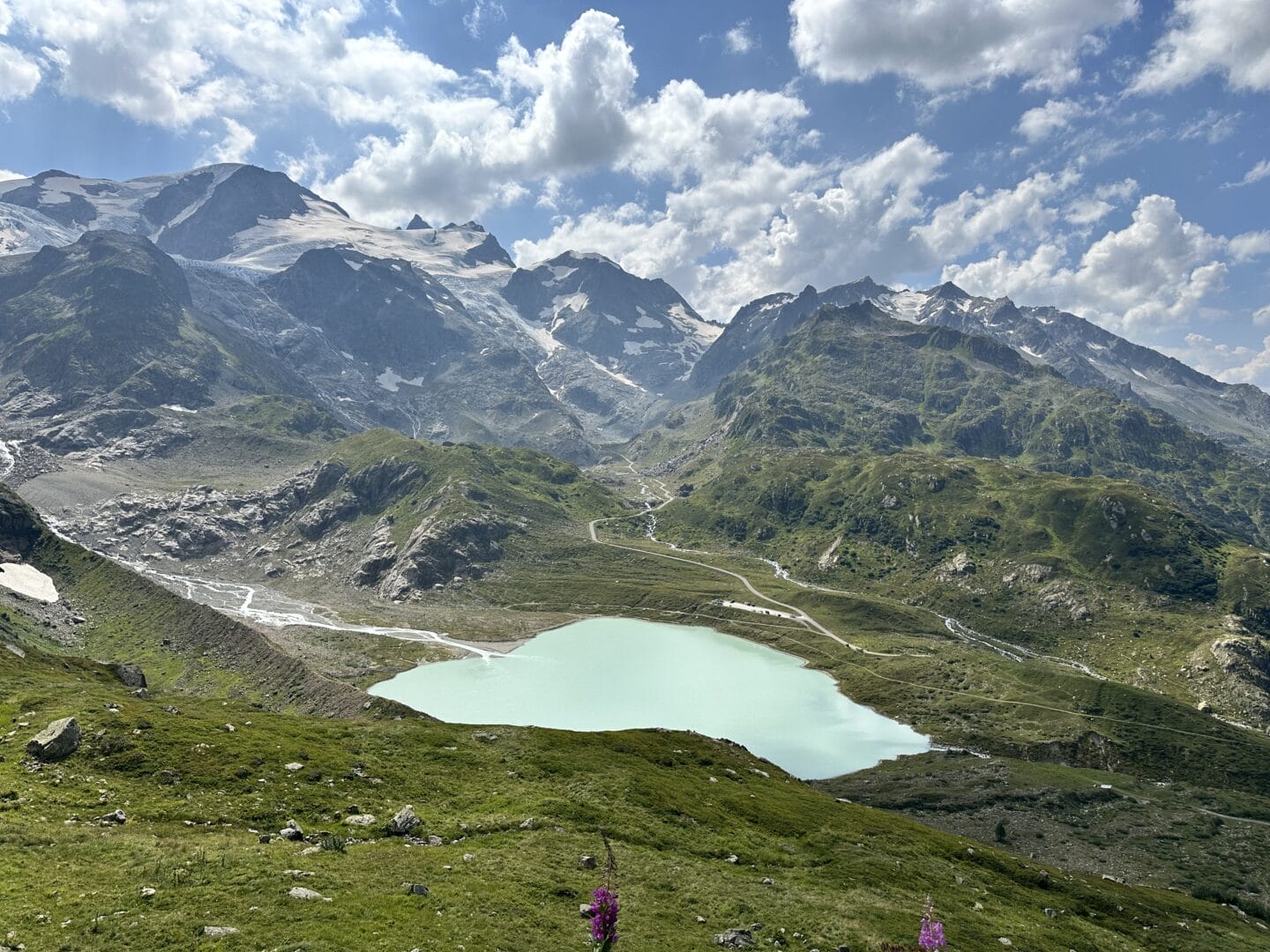
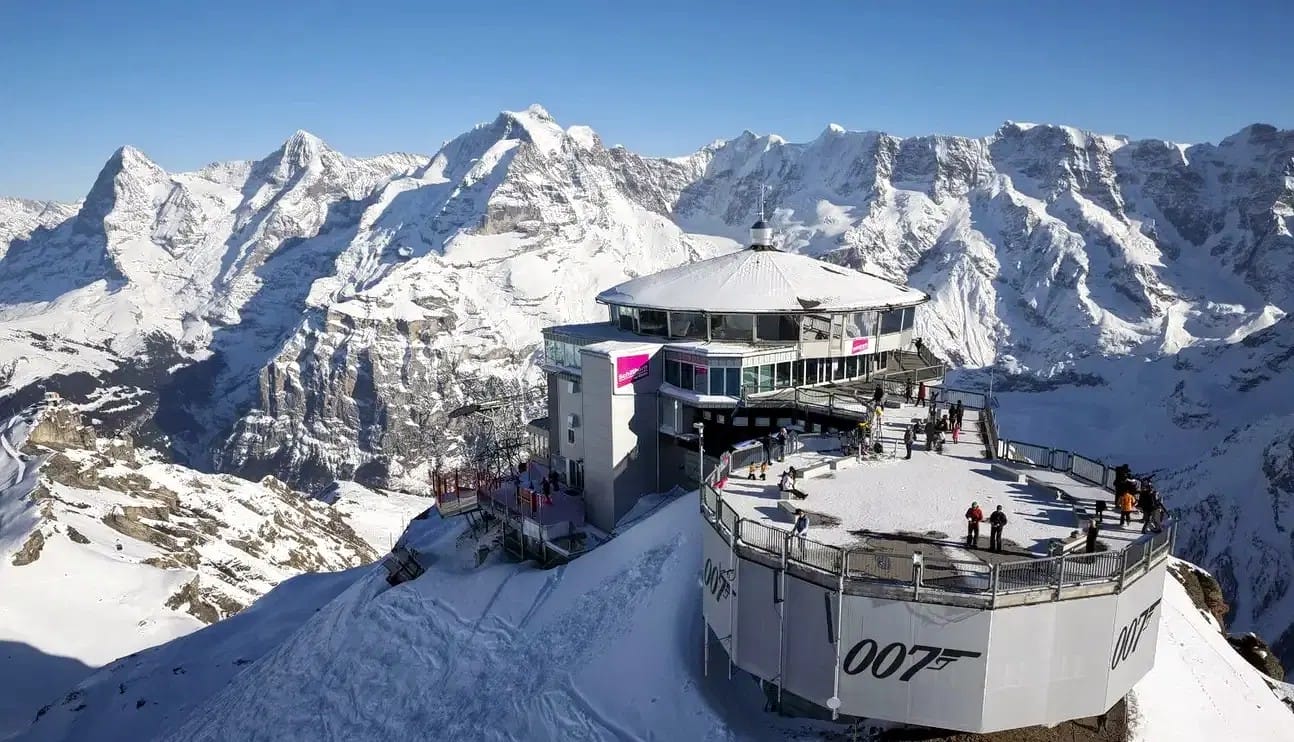
Crossing into Switzerland, you base yourself for five nights in Obergoms, a superb location for some of the most famous Alpine passes in the world. From this single base, you can enjoy daily ride-outs over Grimsel, Furka, Gotthard, Susten and Nufenen, with additional routes taking in Interlaken, Brig, Locarno and picturesque lakeside towns. A built-in free day allows you to take time away from the bike, if you choose, whether that involves riding the Jungfrau Railway, visiting the Schilthorn 007 restaurant, or exploring the waterfalls of Lauterbrunnen.
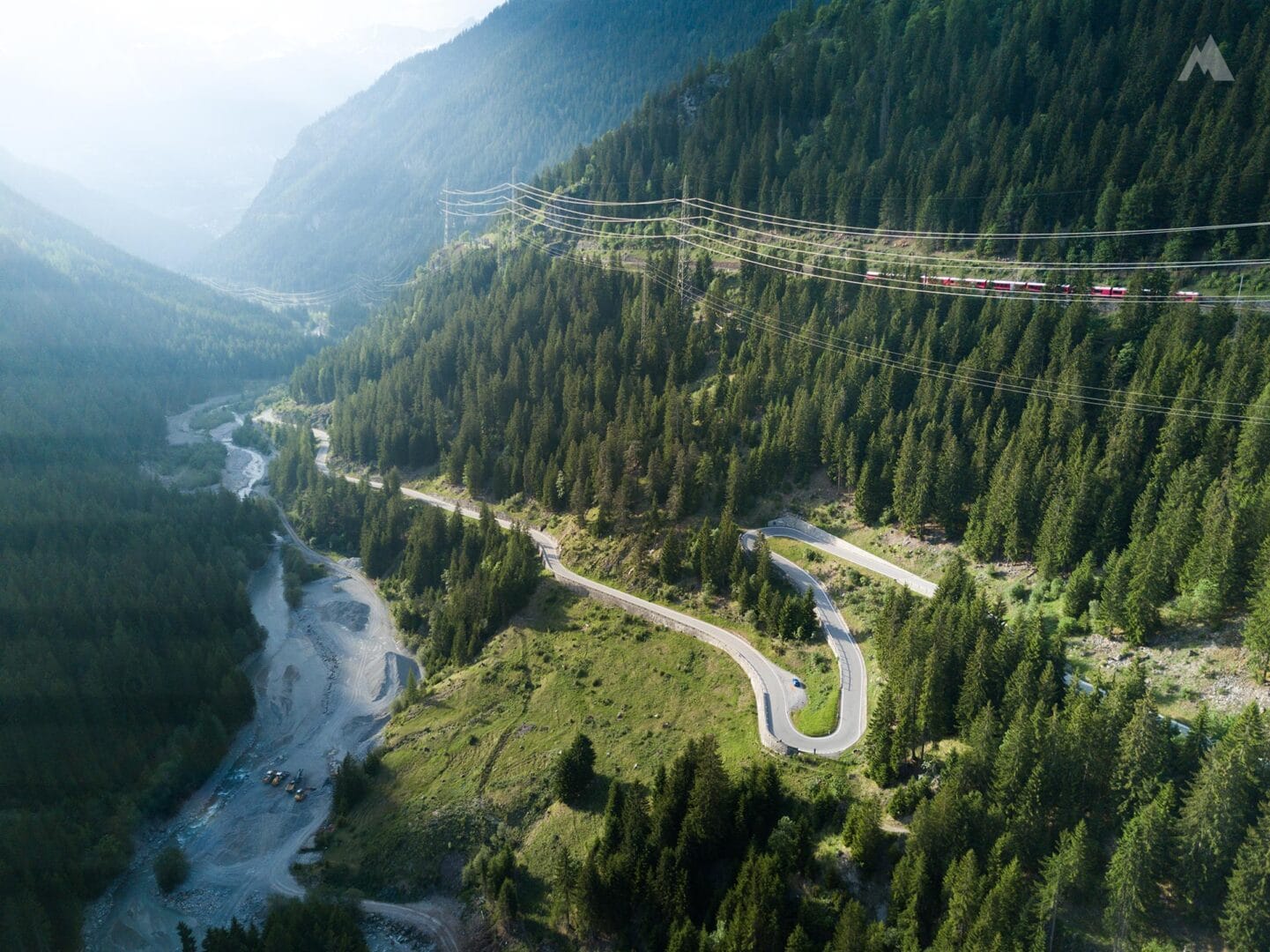
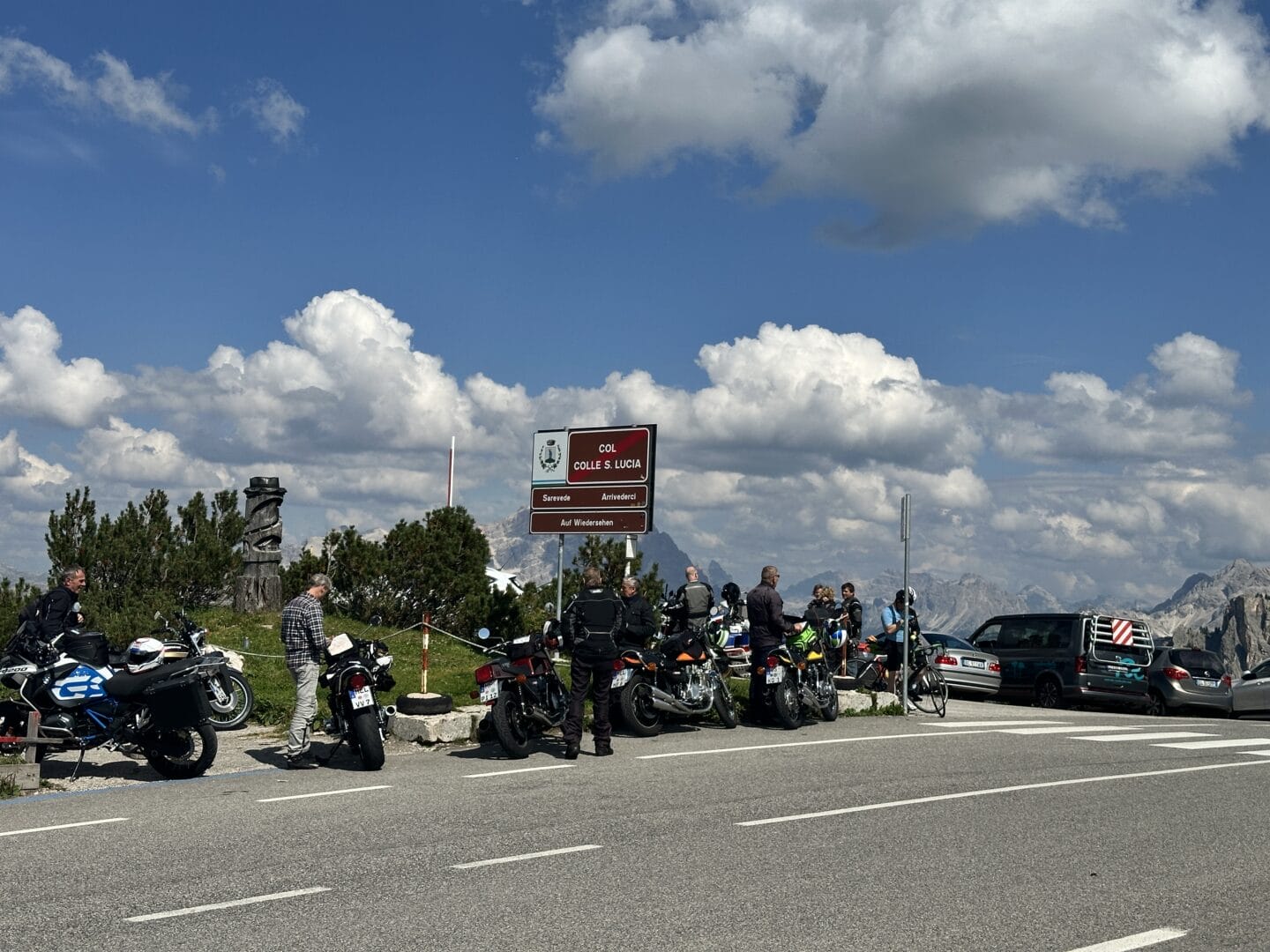
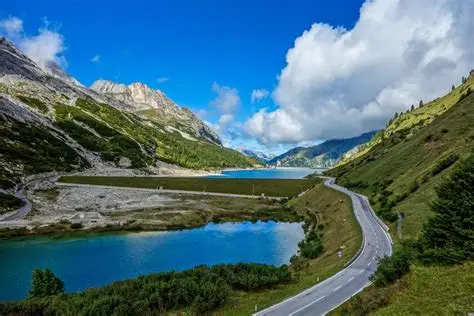
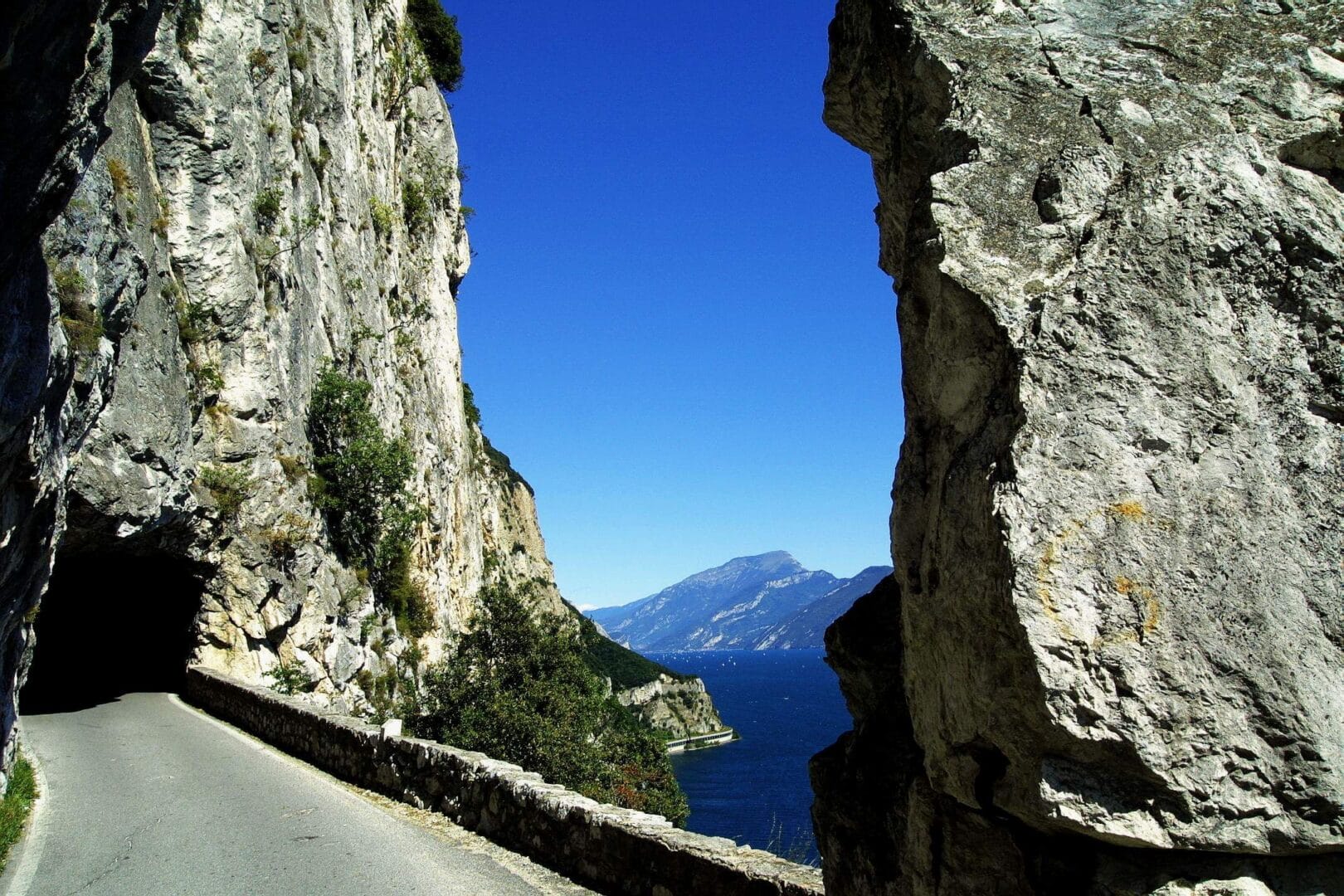
The route then carries you south over the Albula Pass and into Italy, arriving in Campitello di Fassa for a five-night stay in the heart of the Dolomites. From here, you can immerse yourself in some of Europe’s most celebrated riding roads, including Sella, Gardena, Campolongo, Pordoi, Rolle, Giau, Tre Croci, San Boldo and Fedaia. Optional rides take you towards Lake Garda, or you may choose to slow the pace and enjoy the mountain valleys.
The return leg - Leaving the Dolomites, the return journey is every bit as memorable. You head north via Tonale and Gavia to Bormio, before tackling the iconic Stelvio Pass. The route then crosses into Austria via the Brenner Pass and Timmelsjoch, before re-entering Switzerland and continuing toward Walenstadt. The final days take you back into France, finishing in Nancy, where you can enjoy the city’s historic square and evening light show before heading home.
What’s included in the Self-Guided Tour price
Our riders will get everything they need to ride with confidence and enjoy Europe without stress:
These booklets are designed to give riders peace of mind and practical support before and during the tour. They’re the kind of information we would want in your day bag.
What’s not included
1. Documents: Make sure you have all necessary documents, including your passport, motorcycle license, V5C logbook, insurance certificate, and MOT certificate. If your license is a paper one or issued in certain regions (like Gibraltar, the Channel Islands, or the Isle of Man), you may need an International Driving Permit (IDP).
2. Insurance: Verify that your insurance policy covers riding in Europe. Many policies include basic EU cover, but it’s wise to check for any additional requirements or limitations. You might also want to consider European breakdown cover with repatriation.
3. Helmet Laws: A helmet is mandatory in all EU countries, and it must meet the ECE 22.05 standard. Ensure your helmet is compliant to avoid any issues.
4. High-Visibility Vest: Always carry a high-visibility vest on your bike in case of emergencies.
5. Lane Splitting: Lane splitting (riding between two lanes of traffic) is legal in some countries but not in others. Check the local laws of the countries you’ll be visiting.
6. Local Laws and Customs: Familiarise yourself with the traffic laws and customs of each country you’ll be riding through. This includes speed limits, alcohol limits, and any specific motorcycle regulations.
7. Emergency Equipment: Carry essential emergency equipment such as a first-aid kit, tool kit, and spare parts. It’s also a good idea to have a mobile phone with a local SIM card for emergencies.
8. Planning and Navigation: Plan your route and use a reliable GPS or map. Knowing the local language or having a translation app can also be helpful.
Please read our Terms & Conditions
Be the first to know about upcoming tours and events.