This carefully crafted OC&RR Motorcycle Tour combines the sweeping curves of the Vosges Mountains with the deep forest roads and legendary passes of Germany’s Black Forest. Over seven unforgettable days, riders will experience everything from castle charm and alpine scenery to legendary motorcycle routes like the B500, all with the perfect balance of adventure, comfort, and companionship


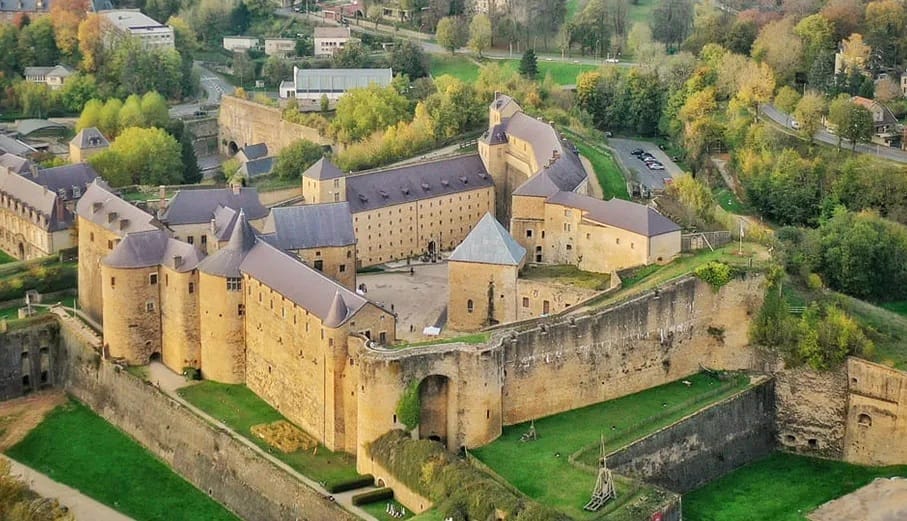
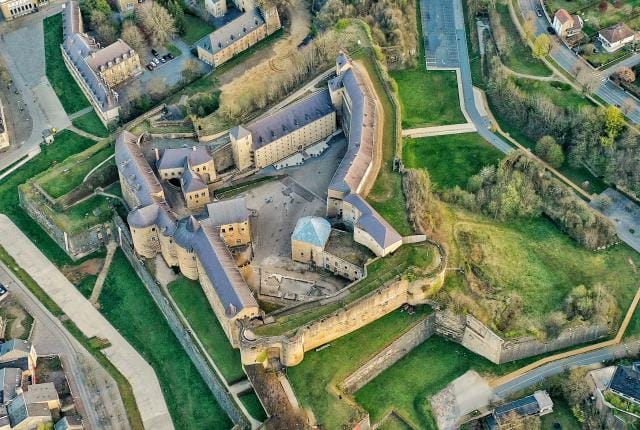
The OC&RR Black Forest & Vosges Mountains Tour is a week of pure European riding pleasure, sweeping roads, forested climbs, mountain air, and the kind of camaraderie that turns strangers into lifelong friends. Starting and finishing at the imposing Château Fort Sedan in northern France, this route captures the spirit of two-wheeled exploration across some of Europe’s most beautiful and historic landscapes.
After a welcome evening inside the castle’s medieval walls, riders set off eastward on Day 2, leaving the calm of the Ardennes behind for the dramatic ridges of the Vosges Mountains. The road unfolds through quiet French countryside before climbing toward the Route des Crêtes, its endless curves carving through pine forests and high-altitude meadows. By afternoon, the group crosses into Germany, where smooth tarmac and precision engineering mark entry into the Black Forest. The day closes with arrival at Hotel Waldblick in Enzklösterle, a peaceful retreat surrounded by towering evergreens and the hum of distant streams.
From here, three incredible ride-outs explore every corner of the Schwarzwald.
Day 3 takes on the northern Black Forest, linking Alpirsbach, Oppenau, Baden-Baden, and the legendary B500, a road known to every motorcyclist who’s ever dreamed of perfect tarmac. Stops at Mummelsee and Touratech HQ add a mix of beauty and biker culture before looping back through spa towns and forest lanes to a well-earned evening beer.
Day 4 heads south and east, out toward the Swabian Jura, where open plateaus and limestone cliffs meet the blue ribbon of the Danube Valley. Roads cling to rock edges and dive into gorges, revealing sweeping views and the fairy-tale silhouette of Sigmaringen Castle above the river. It’s a day of contrasts, from alpine-style twisties to wide, open meadows, and a photographer’s dream.
Day 5 delivers the tour’s grandest loop: a journey through the southern and western Black Forest. The route passes Triberg’s waterfalls, climbs the Feldberg massif, and glides along the legendary Schauinslandstrasse near Freiburg. The ride north via Waldkirch, Zell am Harmersbach, and Oppenau is pure flow, a blend of mountain curves and rolling valleys that embody everything riders love about this region.
The final day, Day 6, is a reflective and rewarding return to France. A new route through the Vosges Mountains keeps the scenery fresh before descending into the quiet countryside near Verdun, where a visit to one of the World War I memorials offers a poignant pause. As the group rides the last miles back to Château Fort Sedan, there’s time to savour what’s been achieved, hundreds of miles of breathtaking roads, unforgettable views, and friendships forged through shared adventure.
This tour isn’t a race; it’s a rhythm, an experience that captures the heart of European motorcycling, from castle walls to forest trails and everything in between.
Riders filter into Sedan throughout the afternoon, following their own chosen routes across France or Belgium. The moment you roll through the gates of Château Fort Sedan, the atmosphere changes. The fortress rises above the town like something from a film set, thick stone walls, wide courtyards, and views stretching across the Ardennes.
The day isn’t about big miles, it’s about settling in. Helmets come off, hands are shaken, and bikes line up along the castle walls as everyone gets to know each other. It’s relaxed, friendly, almost like the calm before a storm of brilliant roads. Over dinner, we walk through the tour plan: the sweep of the Vosges, the deep green of the Black Forest, the ride-outs, the return via Verdun. Questions get answered, laughter fills the room, and the anticipation builds.
It’s simple, really, a perfect start to a proper adventure.

Leaving Sedan behind, the morning opens with flowing country roads through the Ardennes, wide bends, gentle climbs, fields stretching in every direction. The pace is easy at first. Small villages slide by: stone houses, quiet cafés, church towers marking each stop on the landscape. It’s the kind of riding that wakes you up slowly.
Past Neufchâteau the terrain begins to rise, and by late morning we’re entering the Vosges Mountains. The road tightens, the air cools, and the forest thickens. Riding the Route des Crêtes is a real shift in atmosphere, long views toward Alsace, cliff-edge balconies, smooth switchbacks stitched neatly across the ridge. It’s beautiful, calm, and perfectly suited to motorcycles.
Crossing into Germany feels like flicking a switch. The surface improves instantly, lines sharpen, and the flow of the road deepens as we enter the Black Forest proper. The final run toward Enzklösterle is all pine-scented air, rolling descents, and tight forested curves.
Hotel Waldblick appears like a welcome hideaway, tucked between tall trees. Bikes park up, beers get poured, and the adventure feels officially underway.
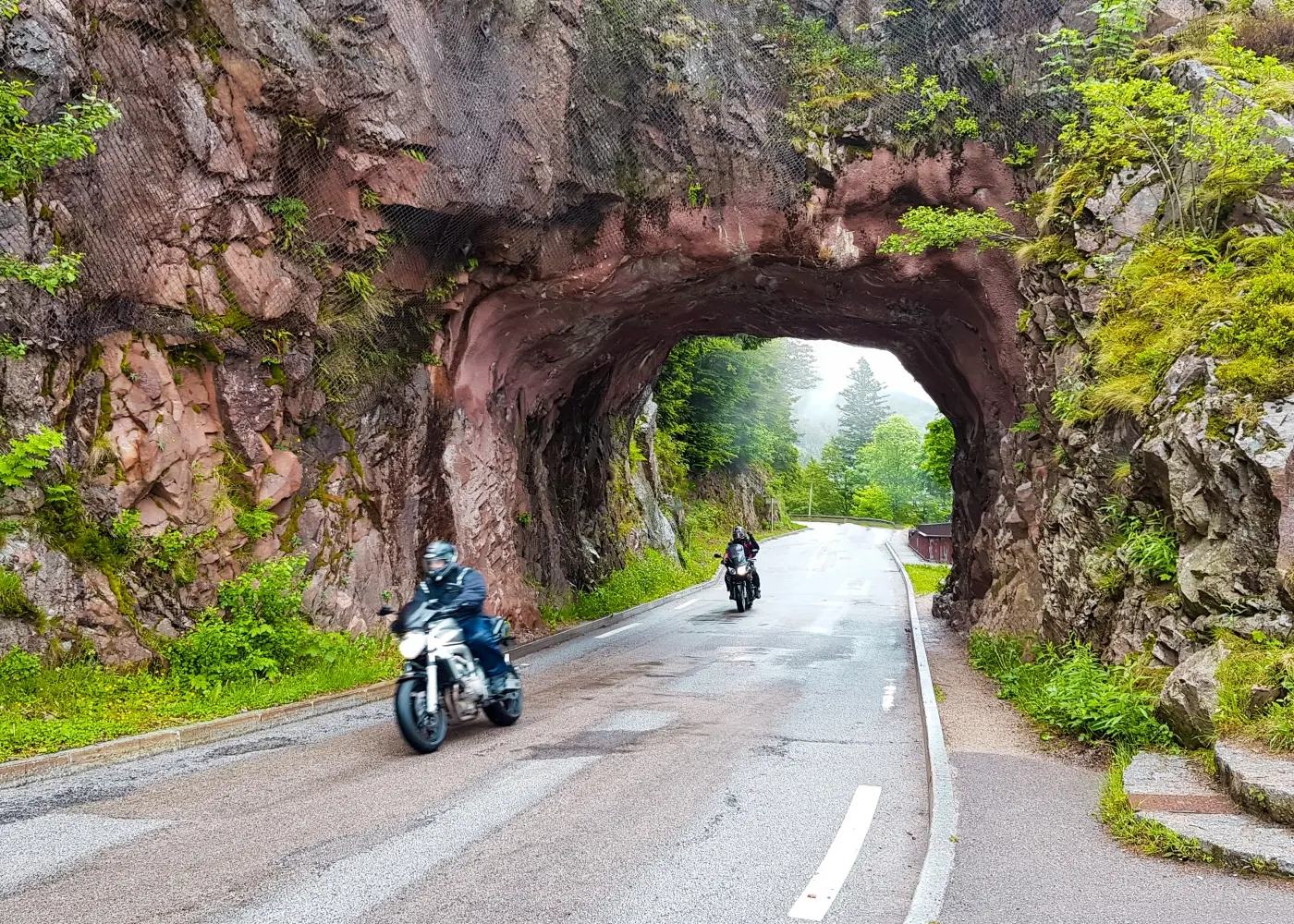
Today is all about the curves. We roll out from Alpirsbach and immediately slip into shaded forest valleys, ribbons of tarmac winding between tall pines. The approach to Oppenau is a mix of fast sweepers and narrow sections that test rhythm and balance.
Then comes the climb. The road rises sharply toward the Schwarzwaldhochstraße (B500), the Black Forest’s most iconic riding route. It’s everything riders hope for: wide, predictable, beautifully engineered, and full of elevation changes that make the bike feel alive beneath you. Views open across the Rhine Valley, with Germany on one side and France shimmering far beyond.
Stops at Mummelsee, the ridge above Baden-Baden, and a few discreet viewpoints allow the group to breathe it in, clear air, big horizons, and the sense of being somewhere special.
Midday brings quieter riding as we loop east toward Gernsbach and then south via smaller backroads. These lesser-travelled roads twist through villages, orchards, and small valleys, showing a softer side of the Black Forest.
A detour to Touratech HQ gives riders a chance to browse kit, grab coffee, or simply admire the machinery. The return to Alpirsbach is gentle, familiar, and perfectly paced after a day defined by long flowing ridges.
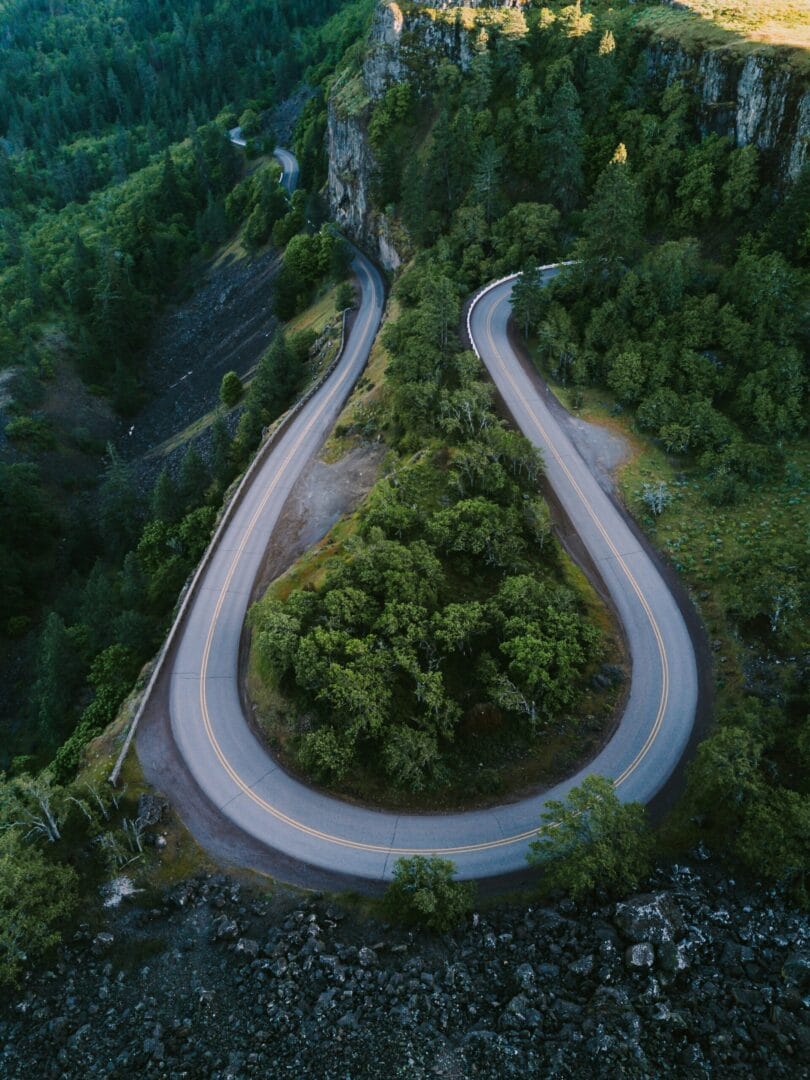
This day blends three distinct landscapes into one unforgettable loop. From Alpirsbach, we drift through forested slopes toward Schramberg, a lively town with an automotive past. The roads are clean, quick, and lined with dense woodland.
Eastward, the scenery shifts again as we approach Trossingen, open countryside, wide fields, and long, lazy bends that let you sit back and settle into the ride. It’s a calm entry point to what comes next.
The moment we enter the Upper Danube Nature Park, everything changes. The road hugs limestone cliffs high above the river, with dramatic drops and towering rock pillars. It’s a balcony road at its best, slow in places, but stunning throughout. A coffee stop in Fridingen an der Donau gives time to soak in the panorama.
From here the route opens onto the Swabian Jura, a region of rolling meadows and wide horizons. The ride up to Sigmaringen Castle is a highlight, the fairytale fortress rising above the Danube in spectacular fashion.
Afternoon roads carry us over high plateaus, where the sky feels huge and the bends flow in long, sweeping lines. The return west offers a calmer pace through quiet farm lanes and forest pockets before the route drops back into the valleys around Alpirsbach.
It’s a day with constant variation, and endless views.
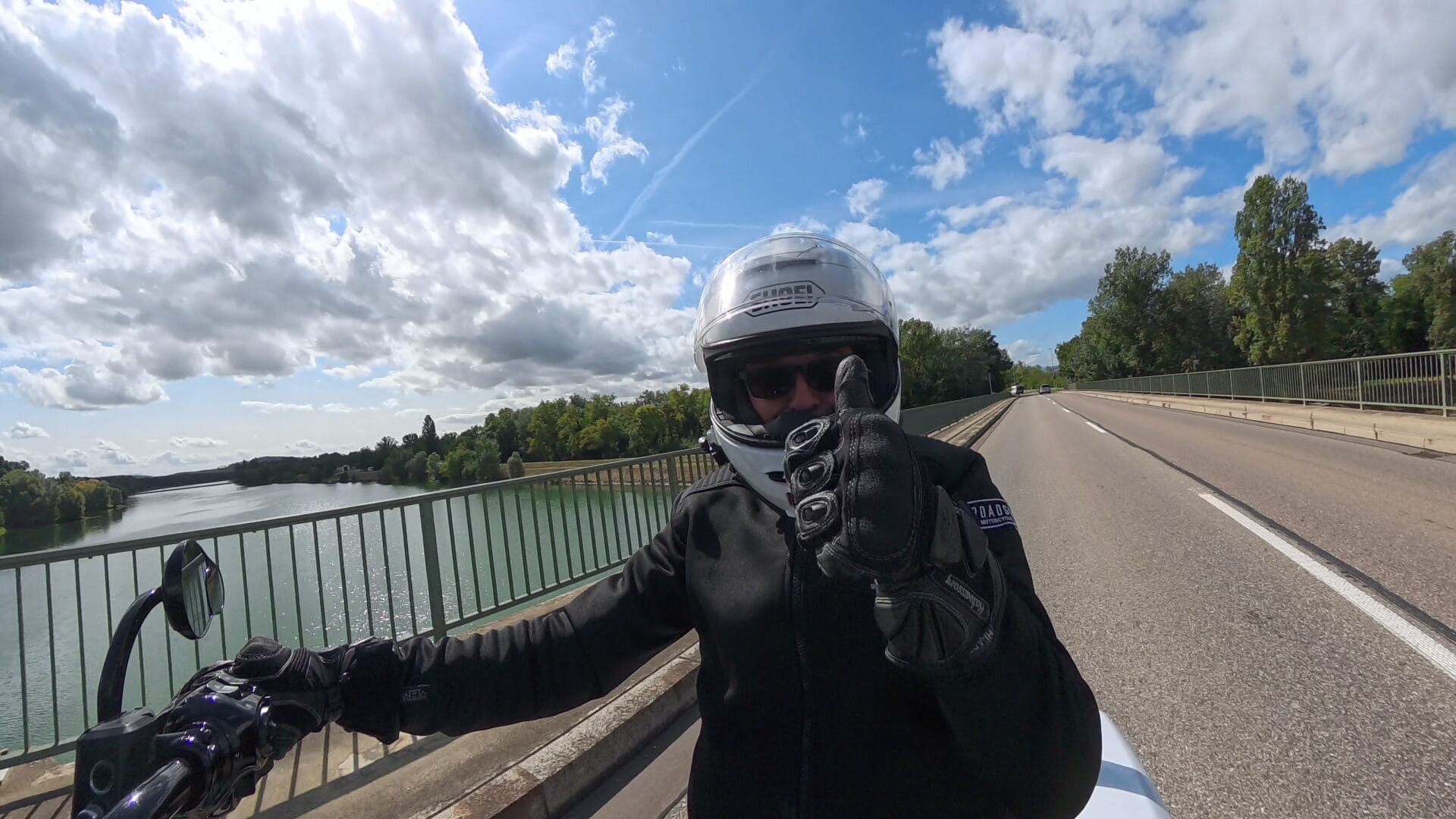
A proper Black Forest epic. We begin with tight forest curves toward Hornberg, where castle ruins overlook the valley. The morning ramps up quickly as we climb into Triberg, home to Germany’s highest waterfalls, surrounded by steep hillsides thick with spruce.
From Furtwangen to Todtnau the riding becomes bigger, higher, more open. The air cools as we ascend toward the Feldberg massif, the highest peak in the region. Pastures stretch out in wide folds, mountain cafés dot the roadside, and the views sometimes run all the way to the Swiss Alps.
Then comes the showstopper, the Schauinslandstrasse, one of southern Germany’s most celebrated motorcycle roads. It’s a flowing ascent full of rhythm and perfectly shaped bends, the sort of road that feels built for two wheels.
Turning north, the landscape softens as we roll through Waldkirch and Elzach, traditional villages with timber-framed houses and quiet charm. The ride through Zell am Harmersbach delivers a mix of vineyards and rolling farmland before the curves tighten once again on the approach to Oppenau.
The last stretch back toward Alpirsbach threads through dark forest corridors, finishing the day exactly as it began, surrounded by towering trees and perfect tarmac.
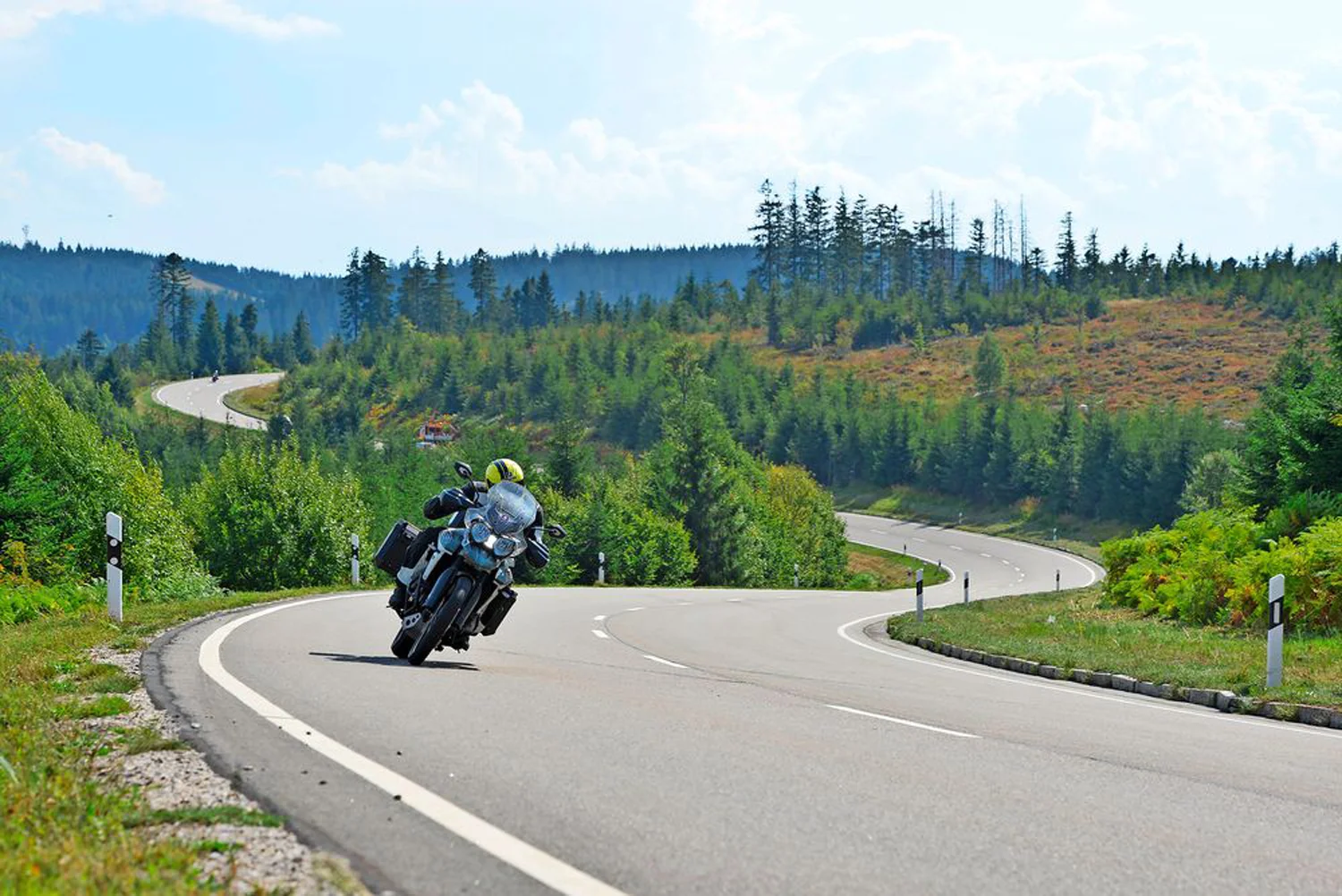
The final riding day is calmer, thoughtful, and scenic. We leave Waldblick and gently climb back through the western Black Forest, passing through open valleys and pockets of dense woodland before crossing into France.
The Vosges Mountains return, but from a different angle, new roads, new views, and a relaxed pace after several intense riding days. As the mountains fade behind us, rural France takes over: wide fields, winding country lanes, and easy cruising through peaceful villages.
Midway through the afternoon, the landscape grows quieter and more solemn as we enter the Verdun region. A stop at one of the World War I memorials is deliberately unhurried, a moment to step off the bike, breathe, and take in the history around us.
The final leg north cuts through the Ardennes, full of gentle climbs and smooth bends that welcome riders back toward Sedan. Rolling into the castle courtyard again brings a sense of closure, a week’s worth of roads, stories, and shared miles settling into memory.
The last dinner together feels earned. The tour ends, but the feeling lingers.
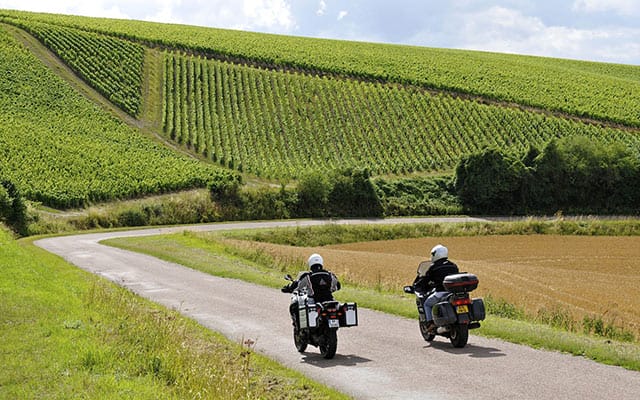
The final morning is unhurried. Riders filter into breakfast, chatting about their journey home, favourite roads, and the moments that stood out, the B500 views, the Donau cliffs, Feldberg’s open ridges, or simply the laughs shared over dinner each night.
There’s a quiet satisfaction in the courtyard as bikes warm up. Some head north toward Calais or Dunkirk, others angle east or south for an extra day in France. Goodbyes are easy, because the bond formed on a week like this tends to last.
The route home is each rider’s own, but everyone leaves with the same feeling, a week of proper riding, brilliant company, and memories that will sit with them for years.
It’s not just the end of the tour. It’s the start of planning the next one.

1. Documents: Make sure you have all necessary documents, including your passport, motorcycle license, V5C logbook, insurance certificate, and MOT certificate. If your license is a paper one or issued in certain regions (like Gibraltar, the Channel Islands, or the Isle of Man), you may need an International Driving Permit (IDP).
2. Insurance: Verify that your insurance policy covers riding in Europe. Many policies include basic EU cover, but it’s wise to check for any additional requirements or limitations. You might also want to consider European breakdown cover with repatriation.
3. Helmet Laws: A helmet is mandatory in all EU countries, and it must meet the ECE 22.05 standard. Ensure your helmet is compliant to avoid any issues.
4. High-Visibility Vest: Always carry a high-visibility vest on your bike in case of emergencies.
5. Lane Splitting: Lane splitting (riding between two lanes of traffic) is legal in some countries but not in others. Check the local laws of the countries you’ll be visiting.
6. Local Laws and Customs: Familiarise yourself with the traffic laws and customs of each country you’ll be riding through. This includes speed limits, alcohol limits, and any specific motorcycle regulations.
7. Emergency Equipment: Carry essential emergency equipment such as a first-aid kit, tool kit, and spare parts. It’s also a good idea to have a mobile phone with a local SIM card for emergencies.
8. Planning and Navigation: Plan your route and use a reliable GPS or map. Knowing the local language or having a translation app can also be helpful.

Please read our Terms & Conditions
Be the first to know about upcoming tours and events.