This tour offers the confidence of a carefully planned alpine journey, with the freedom to ride it your own way. The route flows from northern France through the Vosges and into Austria at a relaxed pace, allowing you to settle into the ride before reaching the Alps.
A four-night base stay keeps the bike light and the days flexible, with iconic passes, scenic loops, and time to linger when you choose. The return via the Black Forest provides a calm, unhurried finish. This tour removes the friction, so you can ride exactly as you want.
This is a self-guided tour designed to give you freedom without uncertainty.
You receive a fully planned route structure, accommodation arranged in advance, and clear guidance on each riding day. Key roads, recommended ride-outs, and optional alternatives are provided so you can choose what suits you best on the day.
There are no fixed start times, no enforced daily schedules, and no requirement to follow anyone else’s pace. You ride independently, on your chosen dates, within a framework that has been carefully designed and tested.
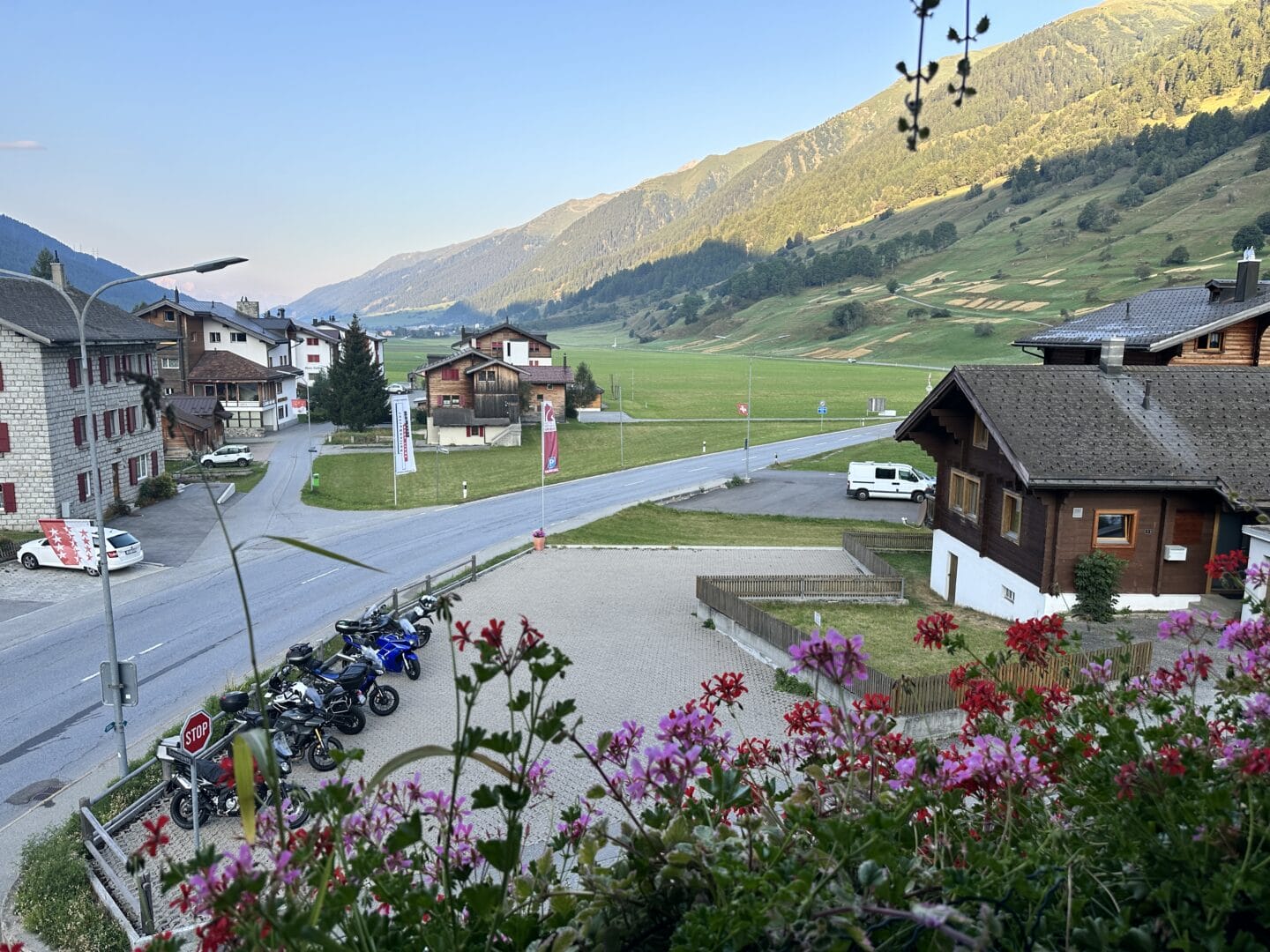
From Day 4 onwards, you're based at the Grizzly Motorrad Resort for four nights. This is where the tour truly opens up. Lighter bikes, familiar roads, and the freedom to enjoy each ride-out without the constant routine of packing and moving on.
Only once that foundation is set do the headline roads arrive.
In short, the planning is done.
The riding is entirely yours, as are the dates, subject to availability.
*Train or ferry crossings are not included in the tour price*
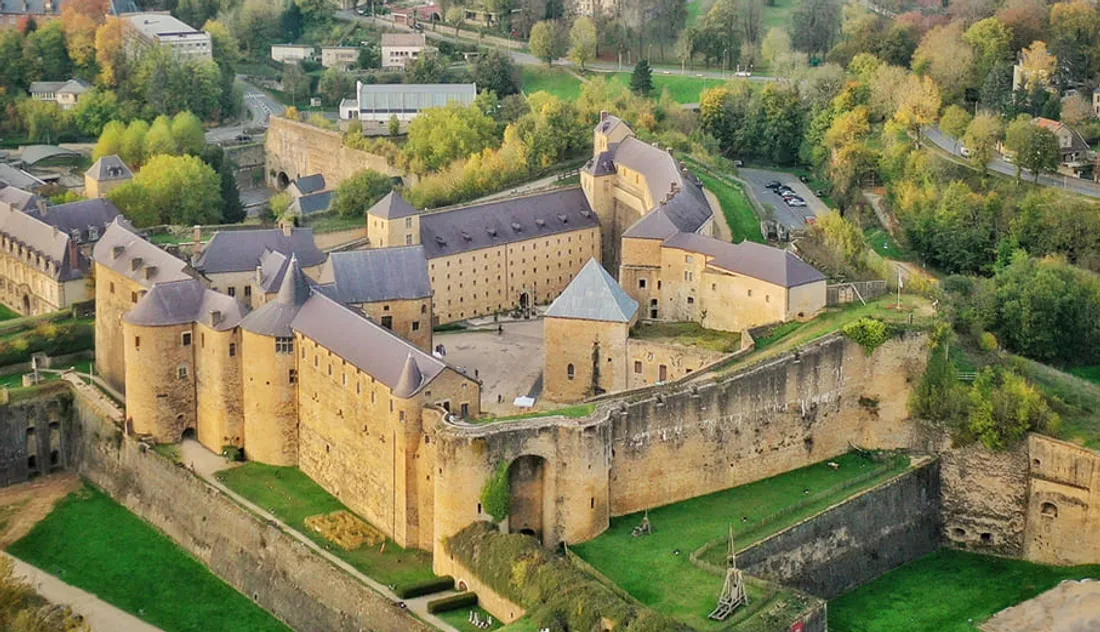
Your journey begins with the crossing into France before riding south toward the historic town of Sedan. The ride is steady and uncomplicated, allowing you to settle into the rhythm of the tour. Once arrived, the evening is relaxed. Time to enjoy the town, prepare for the days ahead, and ease into the adventure.

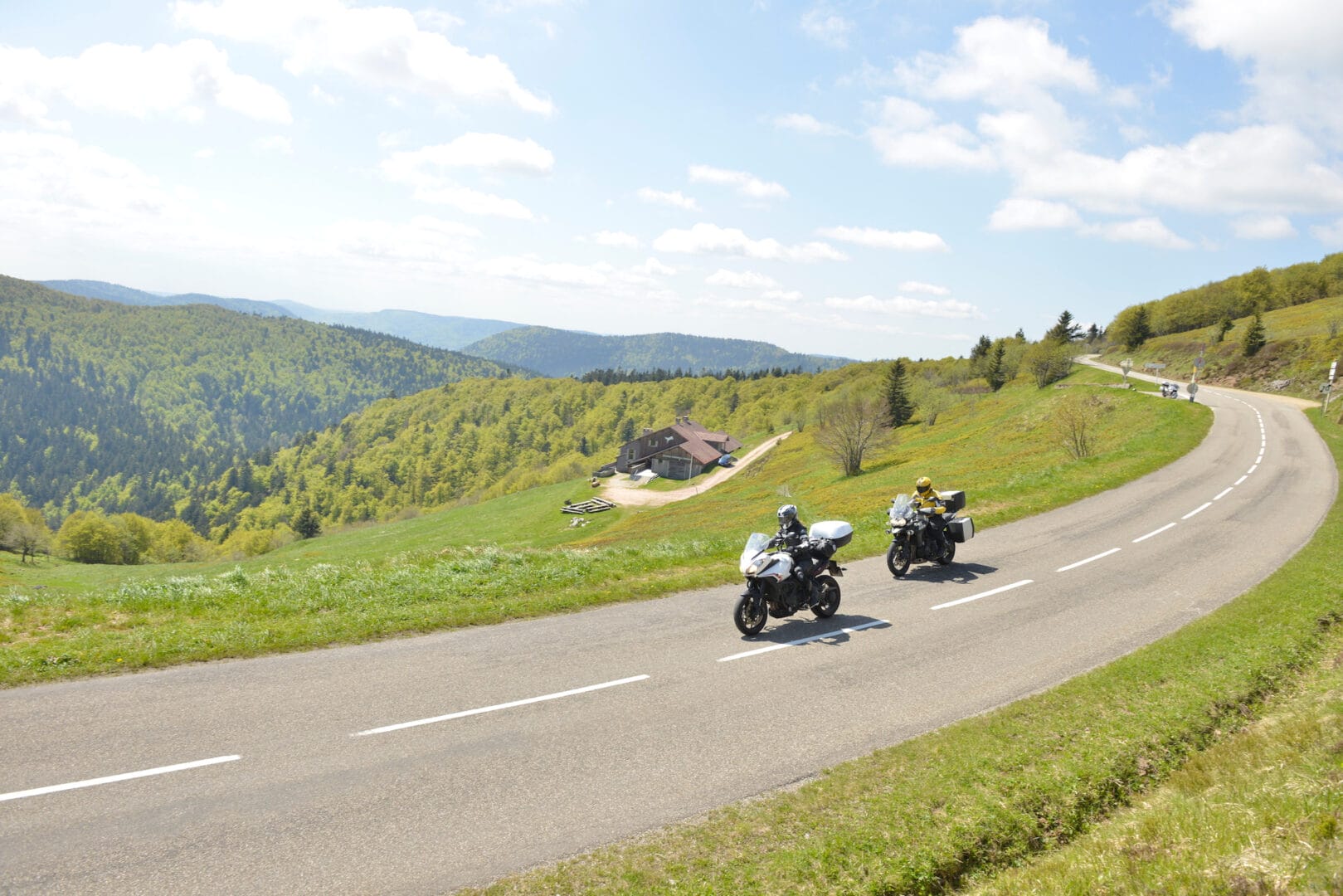
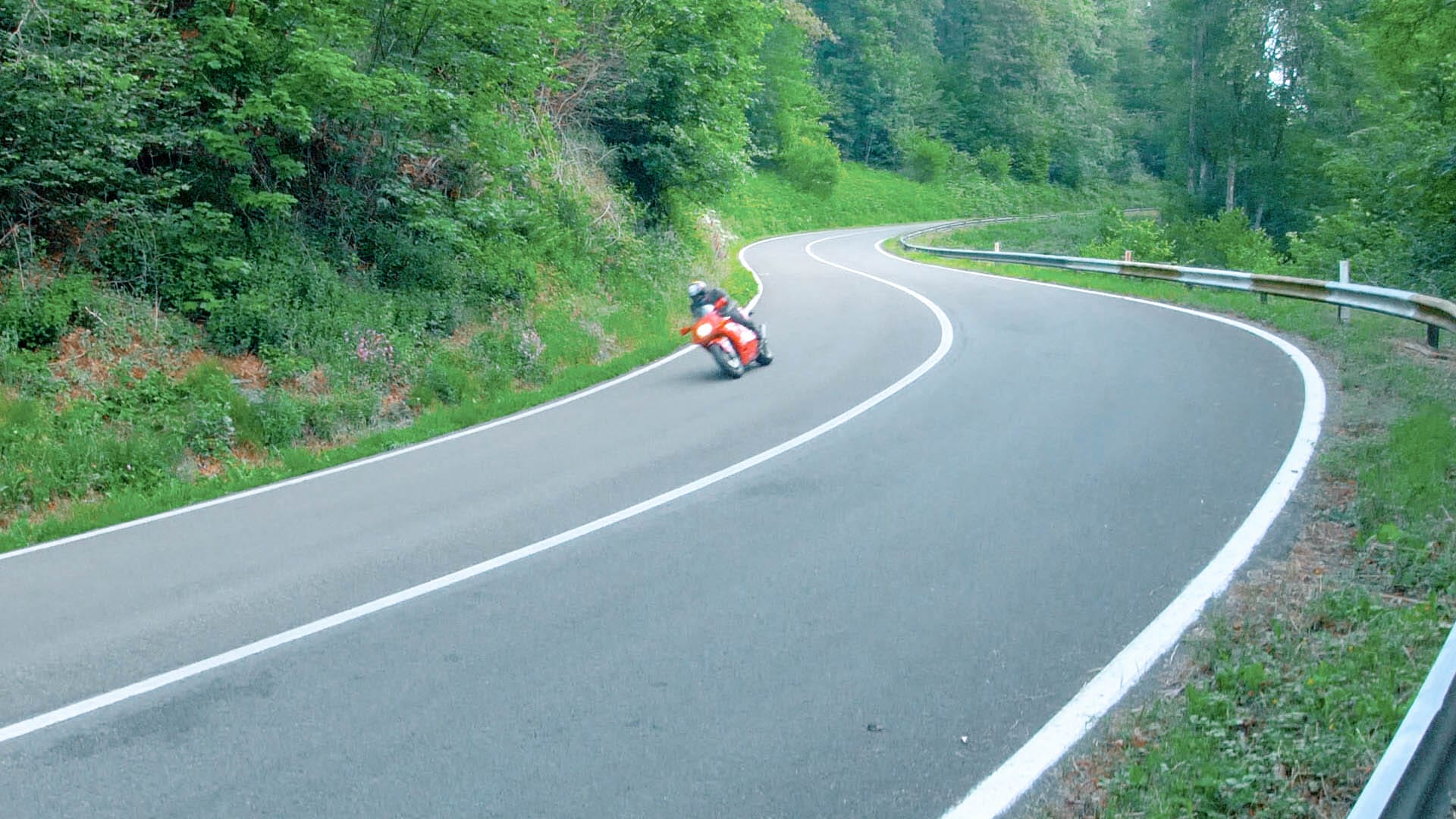
Leaving Sedan, the road begins to weave through the gentle hills and forests of eastern France. As you approach the Vosges, the landscape becomes more engaging, with sweeping bends and quieter mountain roads guiding you through small villages and wooded valleys. It’s a comfortable riding day that sets the tone for the alpine journey ahead.

Vosges Mountains to Am Plansee

A shorter but beautiful day as the route carries you deeper into the Austrian Alps. The road flows through mountain valleys and forests before arriving at the Grizzly Motorrad Resort, your base for the next four nights. With the bike unpacked and the mountains surrounding you, the focus now shifts from travelling to exploring.

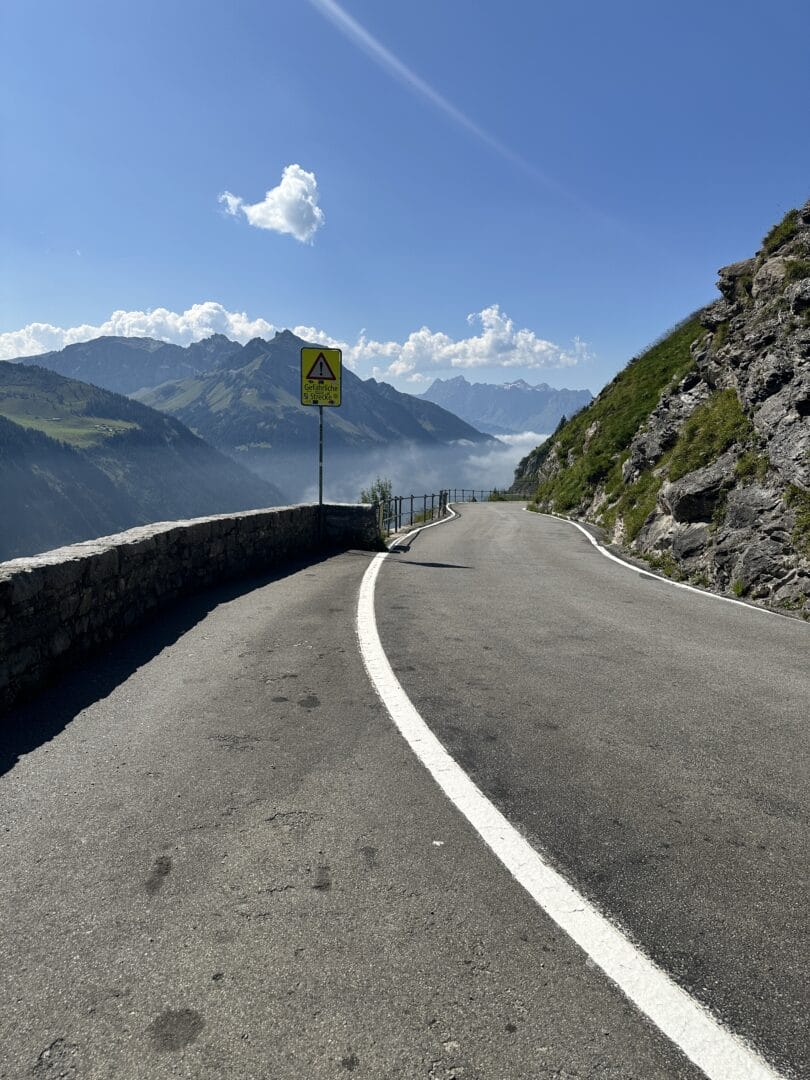
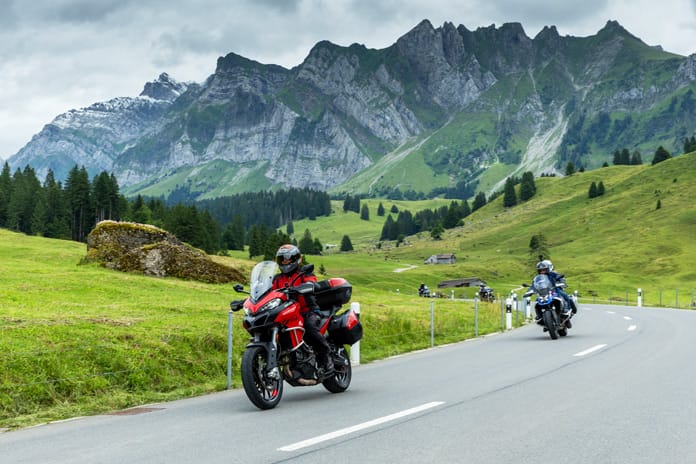
Today’s ride introduces the character of Austrian alpine roads. The Goldeck Panorama Road climbs high above the valleys with wide views across the surrounding mountains. From there the route continues toward Villach Pass and Wurzen Pass, linking flowing curves with quieter stretches of alpine scenery before returning to base.

A day that showcases some of Austria’s most memorable riding roads. The Nockalmstraße delivers sweeping bends through open alpine landscapes, while the Solk Pass adds tighter curves and elevation changes. The route also includes the dramatic Kolnbrein Dam and its skywalk viewpoint, where the scale of the mountains becomes truly apparent.

Today brings one of the great roads of Europe. The Grossglockner High Alpine Road climbs steadily into the heart of the mountains, offering sweeping curves, dramatic viewpoints, and a riding experience that feels both technical and exhilarating. It’s a day that many riders remember long after the tour ends.

Today is yours to enjoy however you wish.
You might ride toward Lake Bled, visit the beautiful lakeside village of Hallstatt, or return to the Kolnbrein Dam for another look at the alpine views. Some riders choose to visit the famous Eagle’s Nest at Berchtesgaden, while others simply relax and enjoy the mountains at their own pace.

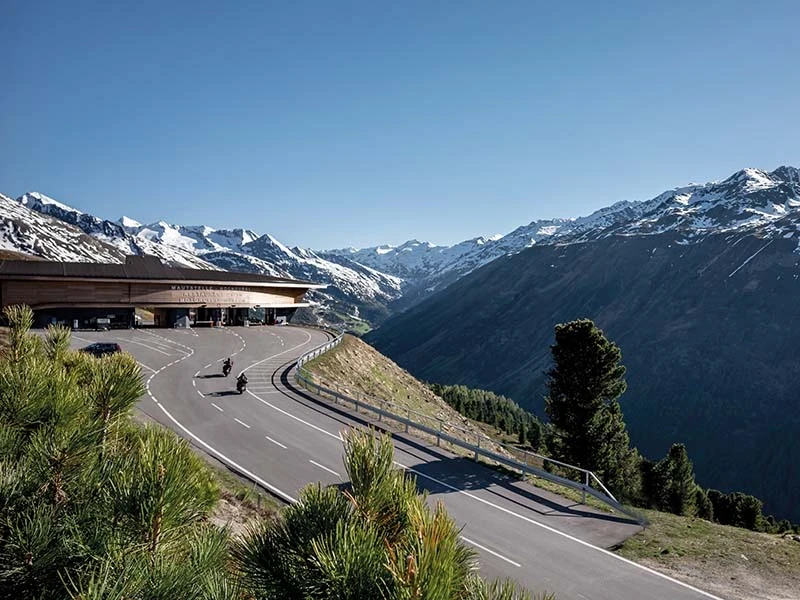
Leaving the Austrian Alps, the route climbs once more through the spectacular Timmelsjoch Pass before descending toward Germany. Along the way you pass the fascinating Top Mountain Motorcycle Museum before continuing into the Black Forest, where you arrive in Schenkenzell for the evening.

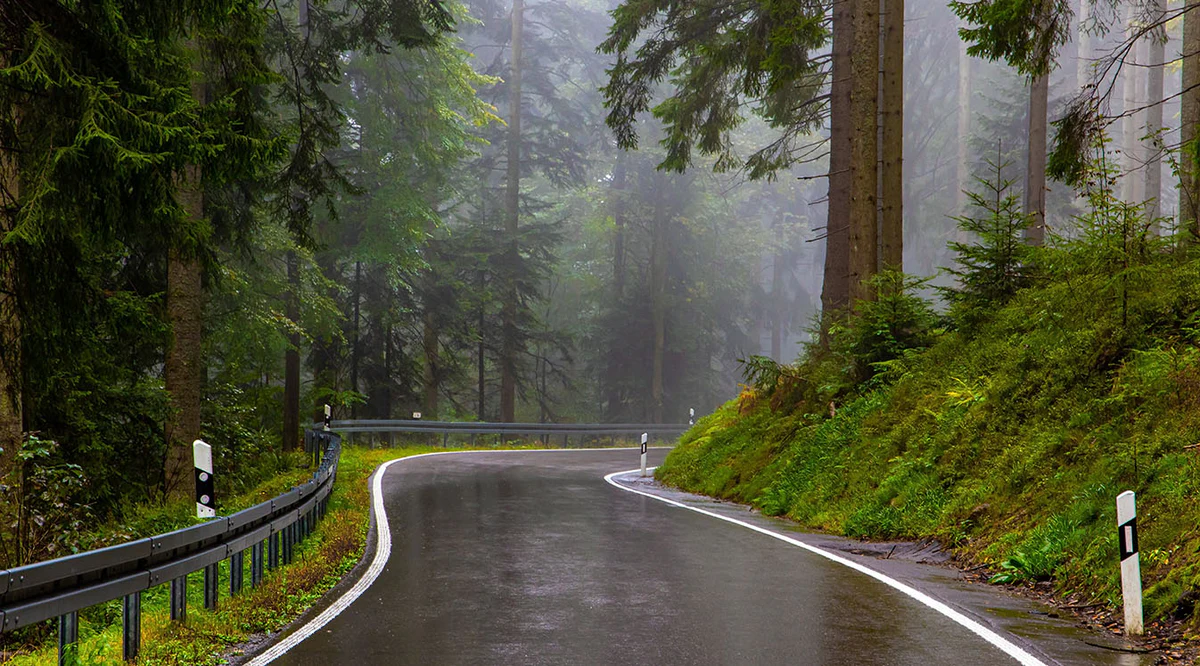
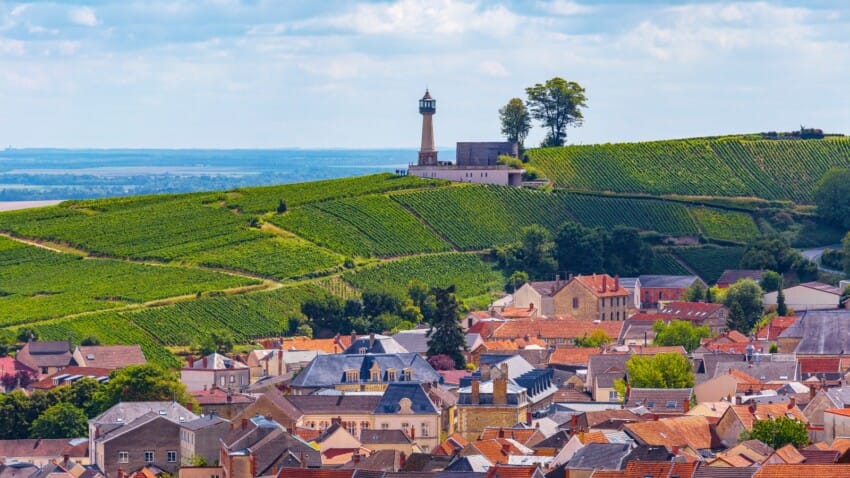
The final full riding day begins with the flowing curves of the B500 through the Black Forest. From there the road carries you back into France, gradually leaving the mountains behind as you arrive in Reims. The evening offers a chance to visit the historic town centre and reflect on the week’s riding.

After breakfast, it’s time to depart Reims and begin the journey home via your chosen port or train crossing. The tour comes to a close, but the memories of alpine passes, sweeping valleys, and days spent riding some of Europe’s finest roads will stay with you long after the ride is over.

1. Documents: Make sure you have all necessary documents, including your passport, motorcycle license, V5C logbook, insurance certificate, and MOT certificate. If your license is a paper one or issued in certain regions (like Gibraltar, the Channel Islands, or the Isle of Man), you may need an International Driving Permit (IDP).
2. Insurance: Verify that your insurance policy covers riding in Europe. Many policies include basic EU cover, but it’s wise to check for any additional requirements or limitations. You might also want to consider European breakdown cover with repatriation.
3. Helmet Laws: A helmet is mandatory in all EU countries, and it must meet the ECE 22.05 standard. Ensure your helmet is compliant to avoid any issues.
4. High-Visibility Vest: Always carry a high-visibility vest on your bike in case of emergencies.
5. Lane Splitting: Lane splitting (riding between two lanes of traffic) is legal in some countries but not in others. Check the local laws of the countries you’ll be visiting.
6. Local Laws and Customs: Familiarise yourself with the traffic laws and customs of each country you’ll be riding through. This includes speed limits, alcohol limits, and any specific motorcycle regulations.
7. Emergency Equipment: Carry essential emergency equipment such as a first-aid kit, tool kit, and spare parts. It’s also a good idea to have a mobile phone with a local SIM card for emergencies.
8. Planning and Navigation: Plan your route and use a reliable GPS or map. Knowing the local language or having a translation app can also be helpful.
Please read our Terms & Conditions
Be the first to know about upcoming tours and events.